

What makes a great leader? According to history, it is about remarkable individuals who shaped nations, inspired movements and left a profound impact on society.
Let’s take a look at some of the iconic historical figures of the past, as we explore the profound lessons that may still resonate with executives today.
What makes a great leader? According to history, it is about remarkable individuals who shaped nations, inspired movements and left a profound impact on society.
In this day and age, we may look up to more contemporary figures for insights on leadership – names like Musk, Bezos and Buffet are often cited as excellent leaders. But as an art that transcends generations and time, leaders of the past can provide great inspiration to navigate the business complexities that exist in the modern world.
Lesson 1: Vision and Purpose
Martin Luther King Jr.
In his pursuit of equality and justice, Martin Luther King uttered the now infamous ‘I have a dream’ phrase in a speech. His struggle for civil rights in America stood as an emblem of hope and unity. Through his steadfast vision of racial equality, he led the Civil Rights Movement, challenging societal norms and paving the way for change. His leadership reminds executives of the power of a compelling vision that ignites passion and mobilises a shared mission, transcending barriers and inspiring progress.
Lesson 2: Integrity and Ethics
Mahatma Gandhi
As an icon of nonviolent resistance, Mahatma Gandhi's unwavering commitment to nonviolent civil disobedience marked him as a shining example of integrity and ethical leadership. He advocated for India's independence while upholding principles of truth, nonviolence, and moral conduct – amidst facing intense trials and tribulations. For executives, Gandhi's legacy underscores the importance of ethical decision-making in leadership. Integrity and ethics are the foundation upon which trust is built, enabling leaders to navigate complex challenges with dignity.
Lesson 3: Empathy and Emotional Intelligence
Eleanor Roosevelt
Most of human rights activists of today stand on the shoulders of Eleanor Roosevelt. As a champion of human rights, her unwavering dedication to life, liberty and social justice embodied empathy and emotional intelligence. As the driving force behind the Universal Declaration of Human Rights, she advocated for the rights and dignity of all individuals. Modern executives can take heed on the importance of empathetic leadership, empowering them to foster a culture of inclusivity and compassion.
Lesson 4: Resilience and Perseverance
Harriet Tubman
Harriet Tubman's life was a testament to unyielding perseverance. After escaping slavery, she made 13 missions to rescue approximately 70 more enslaved people. As a leader of the Underground Railroad, which in fact is network of safehouses, she repeatedly put herself in danger to lead enslaved individuals to freedom. Her example teaches executives the importance of resilience in the pursuit of organisational goals, encouraging them to adapt to change, overcome obstacles, and stay committed to their mission.
Lesson 5: Courage and Boldness
Julius Caesar
As a political maverick, Julius Caesar's audacity and boldness to reshape the Roman Republic's political landscape is a testament to transformative leadership. His political prowess, military skills and popularity with the masses made him a revered conqueror. Though Caesar can be negatively viewed as a dictator, executives can draw from his calculated boldness that can revolutionise organisational structures and processes, unlocking unprecedented opportunities for growth and innovation.
Lesson 6: Humility and Servant Leadership
Mother Teresa
Mother Teresa's life of service and humility earned her the title of the ‘Saint of the Gutters.’ She inspired love, faith and hope through her selfless dedication to helping the poor and destitute, reflecting the essence of servant leadership. Executives can adopt the principles of her synergistic leadership style, prioritising the needs of their teams and fostering a culture of humility and empathy, where the growth of others is encouraged through listening, empowerment and guidance.
Lesson 7: Communication and Influence
Winston Churchill
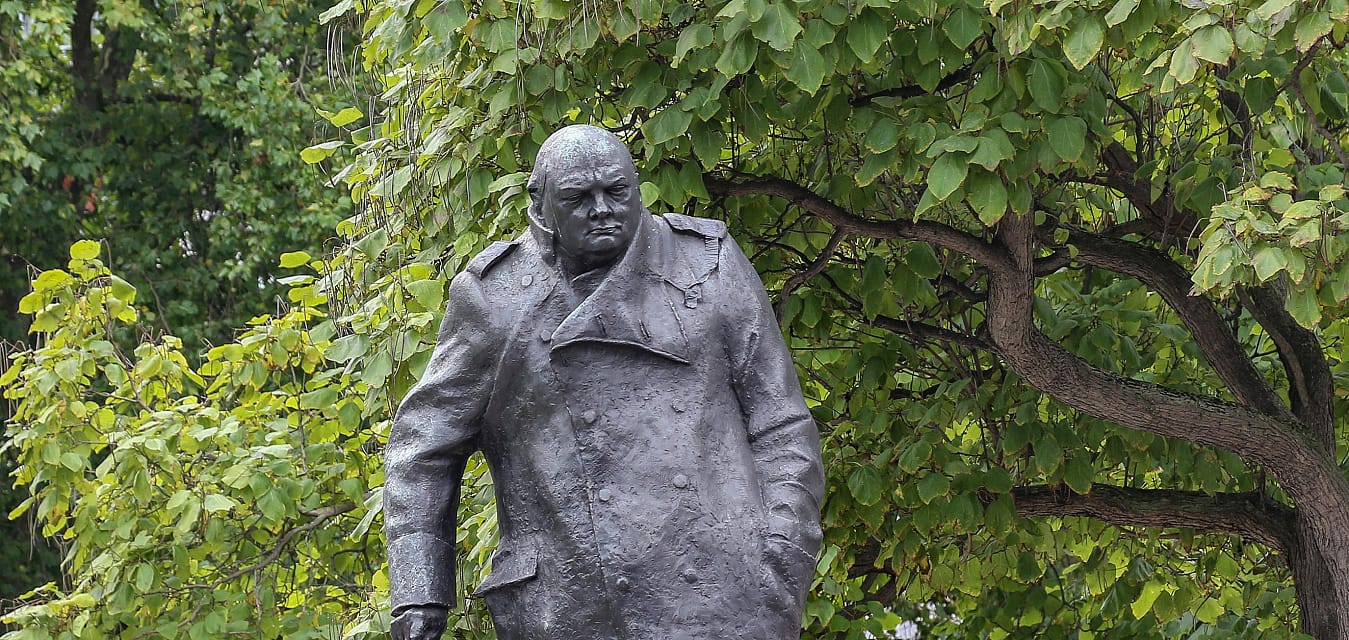
As a master orator, Winston Churchill's powerful speeches during World War II galvanised and inspired the British nation. His exceptional communication skills demonstrated the influential power of words, boosting the morale of the people in times of great hardship, especially during his first stint as Prime Minister. Executives can learn from Churchill's mastery of communication, understanding that effective leadership requires the ability to inspire and mobilise teams through persuasive communication.
Lesson 8: Adaptability and Innovation
Steve Jobs
Surely a more recent icon from modern times, but nevertheless with an impact that is bound to last for generations. Steve Jobs' transformative contributions to the tech industry exemplify the importance of innovation in leadership. His visionary leadership and commitment to groundbreaking products have left an indelible mark on the world. Executives will appreciate of the value of embracing innovation, driving their organisations forward through inventive solutions and disruptive thinking.
Lesson 9: Building and Empowering Teams
Sir Alex Ferguson
Though currently retired, Sir Alex Ferguson's exceptional leadership as the manager of Manchester United football team lives on. He exemplifies the power of empowering teams and harnessing the strengths of his players and staff, which led to unprecedented success in football across 2 decades. For executives, Ferguson's legacy underscores the value of empowering teams, unlocking their potential to achieve excellence.
Lesson 10: Legacy and Impact
Nelson Mandela
Nelson Mandela's legacy of reconciliation and nation-building in South Africa continues to inspire leaders worldwide. His patience, sacrifice and tenacity in challenging the status quo while pursuing a long-term vision is remarkable. He went on to forge a united nation after the dismantling of apartheid showcases the enduring impact of great leadership. Executives of today must know that their leadership leaves a lasting legacy, hence the importance of considering the long-term impact of their decisions and actions.
These lessons of vision, integrity, empathy, resilience, courage, humility, communication, adaptability, team building, and legacy resonate across time. Modern executives and aspiring leaders can reflect on the lives of these extraordinary historical figures and draw inspiration to lead their own organisations. And most importantly, impart these lessons to the next generation of young leaders.