“In Asia, business is built on trust, relationships and the courage to innovate. Success comes from understanding people, embracing cultural differences and continuously improving along the way.”
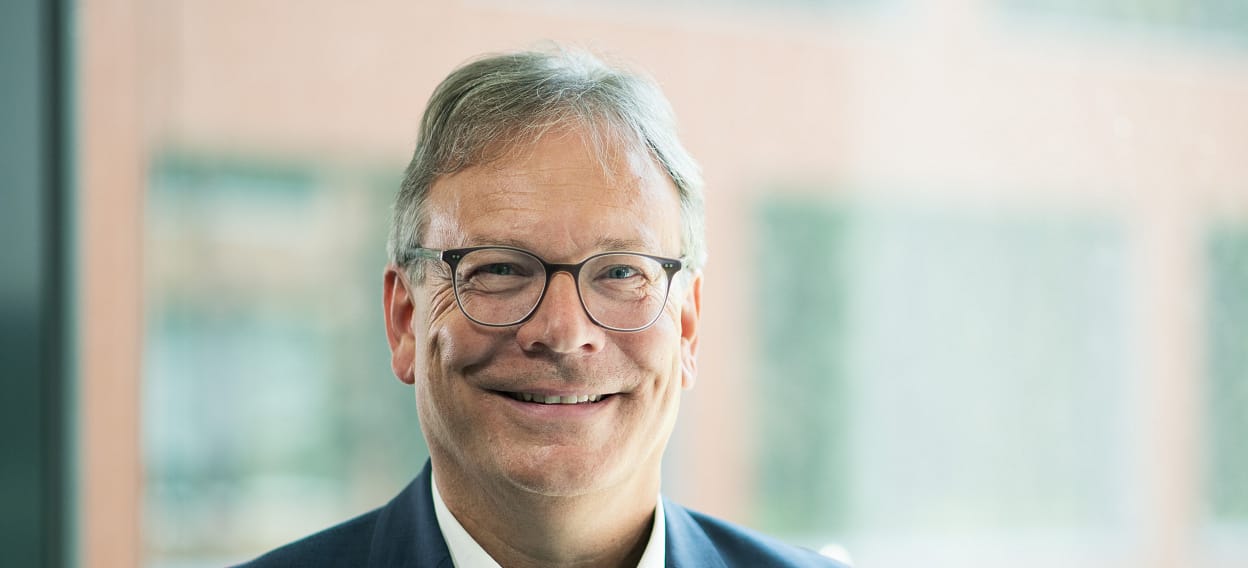
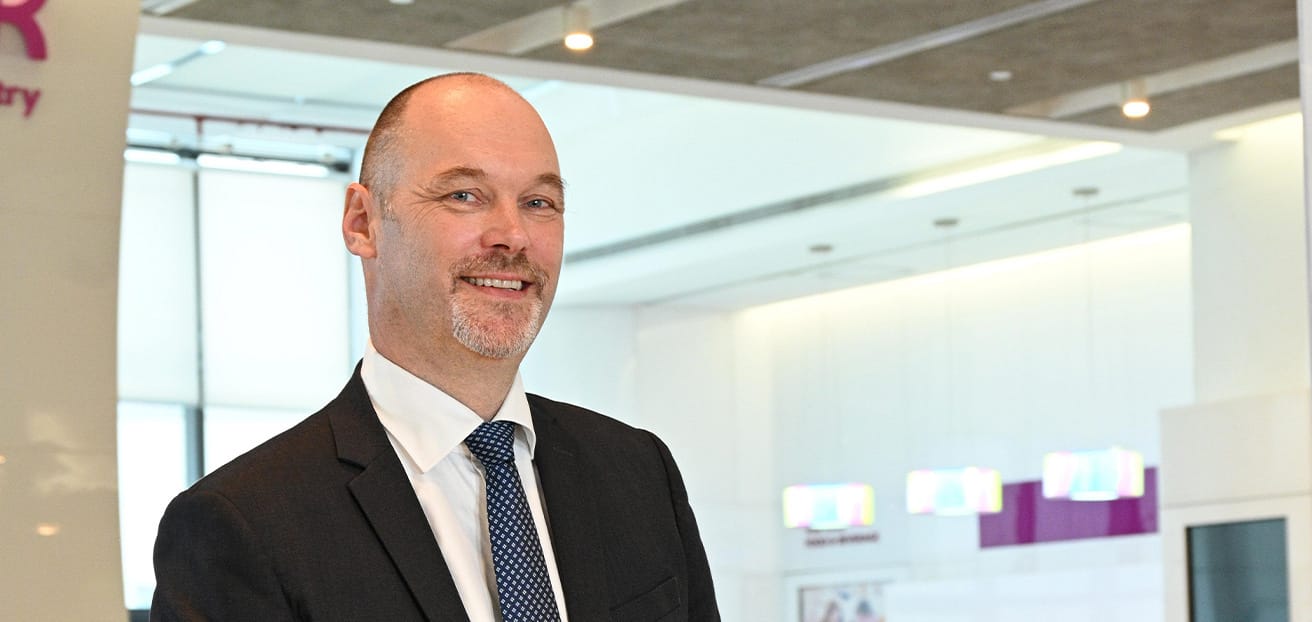
Living in China, especially in Shanghai where a strict Covid lockdown is underway, is indeed a challenge for Torben Gosvig Madsen. Despite the tough times, Torben who is originally from Denmark enjoys living in China with his wife and three children, where he works for a leading animal nutrition company based in Germany.
torben gosvig madsen - head of pl sustainable healthy nutrition
For the most part, the Covid-19 pandemic in Europe is considered to be over, but for Torben the reality in Shanghai is very much different. ‘It’s challenging to live here at the moment. Everything is closed and no one knows how long this lockdown will last. We can only go for a walk within our gated community, and nowhere else.’ Speaking from his house in Shanghai, Torben shares his thoughts on living and working in Asia for close to 15 years. Before moving to Shanghai, Torben was based in Beijing and before that lived in Singapore. ‘Although more polished and very easy-going, Singapore can get a bit boring. Shanghai is chaotic in a way that I like, it’s a place full of diversity and vibrancy.’
What is it like working for Evonik in China?
‘My company works very closely with livestock producers in China, it is very much a collaboration to find the best customised solutions. Products aside, we also offer consulting or implementation services. Together with producers, we test products and methods to find what works best, and in the most optimized manner.’
What are some common diseases in animals and how can they be prevented?
‘There are lots of viruses out there, like African swine fever or bird flu and many more that cause various diseases in animals. These types of diseases can only be prevented with a vaccine and a high level of biosecurity in the farms. But there are also some bacterial infections like salmonella or clostridia that can be prevented by simply enriching animals’ diets with probiotics or antibiotic treatment. In the past, producers used antibiotics to prevent animal diseases, but nowadays both producers and consumers are concerned as frequent usage of antibiotics creates highly resistant bacteria, reducing the effectiveness of some antibiotics. That’s why a much better solution is to use probiotics, and that’s something Evonik is focused on, providing a wide range of probiotics that can prevent diseases altogether.’
What are some challenges in feeding the animals?
‘The challenge is to know exactly what the animals need, depending on the conditions that they are raised. Farmers also must be aware of the quality of raw materials they are buying. Next, the whole process of producing, storing and preservation can also be an issue, especially in tropical climates where mould can be a big problem. Then the feeding procedure itself is important, as you can waste a lot of feed if it’s not correctly stored and fed to the animals. Finally, in this part of the globe it’s very hot and sometimes you need to adjust feeding, so that the animals don’t get heat stress.’
How does the feeding affect animal production?
‘It all boils down to knowing the need of the animal. If you feed them too little of one or two nutrients, then of course they don’t grow as fast. If you give them food with some substances that can affect the guts, the animals feel uncomfortable and again don’t grow fast enough, which is also an animal welfare issue. You can also feed them too much of something that they don’t need and that’s considered extra food that they now have to get rid of. Feeding also depends on the animal’s growth stage, for example young bird needs different nutrients compared to the older birds, this is same with pigs. There are a lot of feeding aspects that can impact the performance of the animals, so it’s about knowing what they need and providing them the nutrition according to their specific requirements.’
What are some new products or technologies coming from Evonik?
'Surely, we are moving in the direction of digitalisation. It’s relatively new method where we offer different digital solutions, like farm monitoring technologies. Our customers are building large farms all over the world, but there is a lack of skilled employees to work on these farms, because it’s not seen as the most attractive job. As such, farmers need more digital solutions to be able to monitor what is going on at the farm. With the right equipment, farmers can get early warnings so they can react and fix certain issues. Other than that, we also have a lot of digital analytical tools. These tools can help farmers to analyse incoming raw materials, so they know exactly what is inside and make necessary adjustments with supplements to meet the needs of the animals. Most of these digital solutions are actually not new business for us, we have been involved in it for quite a long time, but the key is to constantly come up with some new ideas, improvements and enhancements.’
Does Evonik create innovations also here in China?
'We are actually constantly innovating new solutions here in Asia. Things are simply moving faster here. In many parts of Asia, you don’t plan for the next ten years, you simply try things and then you fix them along the way. This is instead of testing something over and over until you get the perfect product or method before rolling out. Here, people don’t waste their time, they are willing to try something new as soon as possible, then along the way develop it further until it becomes absolutely perfect.’
Can you describe the sales process in China? What are some cultural differences compared to Europe?
‘You need to understand your customers and the best way to do it is to build a relationship based on trust. The customer always comes first. That’s the key. Trust is important between business partners and it’s especially important in China. Here, it’s more about the people than the brands. For example, in the rest of the world, if you have the right brand, you don’t need to worry much about selling the products, because people trust that brand. In China they trust the people, not the brand. And of course, every business here involves a lot of dinners, eating and drinking. That’s very important and you don’t see that much elsewhere. Coming from the West, that was a new way of doing business for me, but I adapted quickly and I actually like it. It’s also interesting to mention, you don’t have a lot of long-term contracts here, but rather short terms contracts. And one more thing worth mentioning, people here like to engage in business negotiations. There are negotiations going on constantly, that’s something that I had to get used to.’
You have lived in Asia for almost fifteen years. What are some things you wished you knew before moving to this part of the world?
‘First off is that the organisational hierarchy is important here is Asia. The boss is above everyone else, and you don’t question most of their decisions. I had to teach my team how to be critical of me as their boss and ask me questions, and not just say ‘Yes’. You do get affected by their constant agreeability, they think you are the best and that you know everything. I try to encourage my team to constantly challenge me, and we created an environment where we work together on problems and solutions. It took some time, but now we are really working as a team, and not in the typical boss-employee model. Another thing is the language, this is really a big barrier. I must admit, I’m still not very good in Mandarin. Also, a lot of people in Europe think that everything is cheap in Asia, but that’s absolutely not true. For example, branded things are here more expensive, including food products that are considered western like butter or milk.’
How does your wife Mette find China?
'My wife Mette loves living in China. She enjoys the cultural diversity here. Of course, there are some things that she needed time to accept, like not working. Here, the typical family unit consists of one person working, and the other taking care of the house and kids, regardless of gender. In our case, my wife is the one staying at home and for a Danish lady, previously used to having her own job, that was something difficult to accept. But then, there are some positive aspects here. She really appreciated the ability of being able to spend more time with the kids, especially when they were younger. Also, she could go for a holiday to Europe and spend several weeks there together with our kids, which would have been impossible to do if you have a regular job. We moved a lot around and she is the one always creating all our social networks. She is also doing a lot of voluntarily work and that is something she enjoys doing.’
What about your children? Do Elvira, Leonora and Carl like living in China?
'Definitely! Denmark is not home for them, China is. Denmark is only a holiday place, where they go once a year. Even then they usually can’t wait for holiday to be over so they can rush back home, to China. They have even expressed fear of having to eventually move to Denmark. Living there and being surrounded by only Danish people somewhat frightens them, as they are used to having friends from all over the world. They also feel Denmark is too boring compared to Shanghai. And I have to be honest, Shanghai is a city full of life with a lot of happenings everywhere, yet very safe for youngsters to go out, safer in fact compared to many European cities.’
Does the idea of living and working in Asia for an extended period of time appeal to you? If so, send us your details so we can consider you for future opportunities or apply for one of the current vacancies on nomilk2day.asia.nl